


Most marketers treat short URLs like digital Band-Aids—quick fixes for unwieldy links that clutter social media posts. That perspective misses the revolution happening beneath the surface.
Short URLs have evolved from simple convenience tools into sophisticated marketing instruments that track behavior, segment audiences, and optimize campaigns in real-time. The difference between businesses that generate leads and those that convert customers often lives in how they architect their link strategy.
Consider this: every URL you share is either collecting intelligence about your audience or wasting an opportunity. The choice shapes everything from your content strategy to your revenue projections.
Table of Contents
The Hidden Economics of Link Architecture
URLs function as the connective tissue of digital marketing. They bridge content to conversion, awareness to action, curiosity to commitment. Yet most businesses deploy them with all the strategic sophistication of throwing spaghetti against walls.
Traditional long URLs create three critical problems that compound over time. First, they repel human engagement through visual chaos—a 140-character string of random parameters makes people suspicious rather than curious. Second, they prevent accurate attribution because you can’t distinguish which traffic source, campaign element, or message variant actually drove results. Third, they lock you into rigid campaigns since editing a widely-distributed long URL requires starting from scratch.
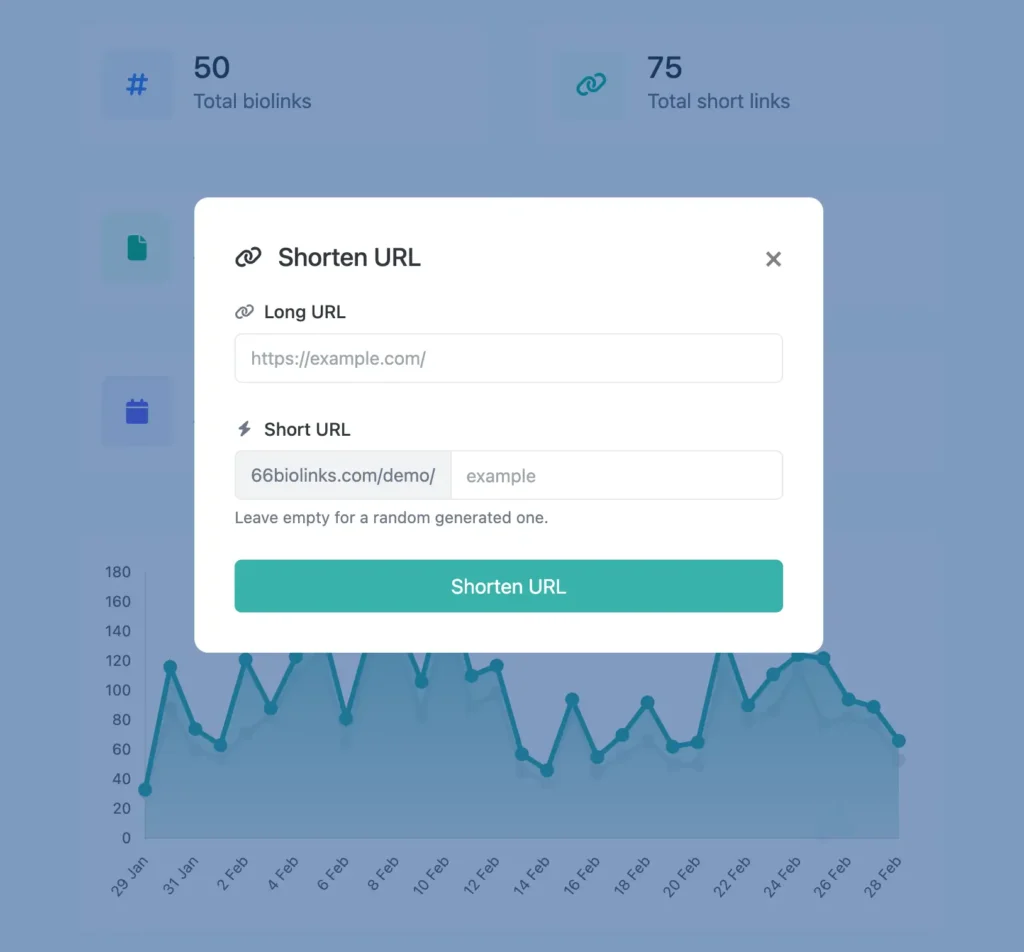
Short URLs solve these challenges while introducing capabilities that fundamentally alter how marketing campaigns operate. When you compress https://yourstore.com/products/category/subcategory/item-name?utm_source=facebook&utm_campaign=summer2024 into something like lnqkit.com/summer, you’re not just saving characters—you’re building a control panel for customer behavior.
The transformation happens across four dimensions. Visual trust increases because clean links signal professionalism and reduce fraud concerns. Attribution precision improves since every click feeds granular data about geography, device type, referral source, and temporal patterns. Campaign flexibility expands because you can change destination URLs without republishing content across platforms. Testing velocity accelerates since you can rotate multiple destination pages behind a single short URL to identify what converts.